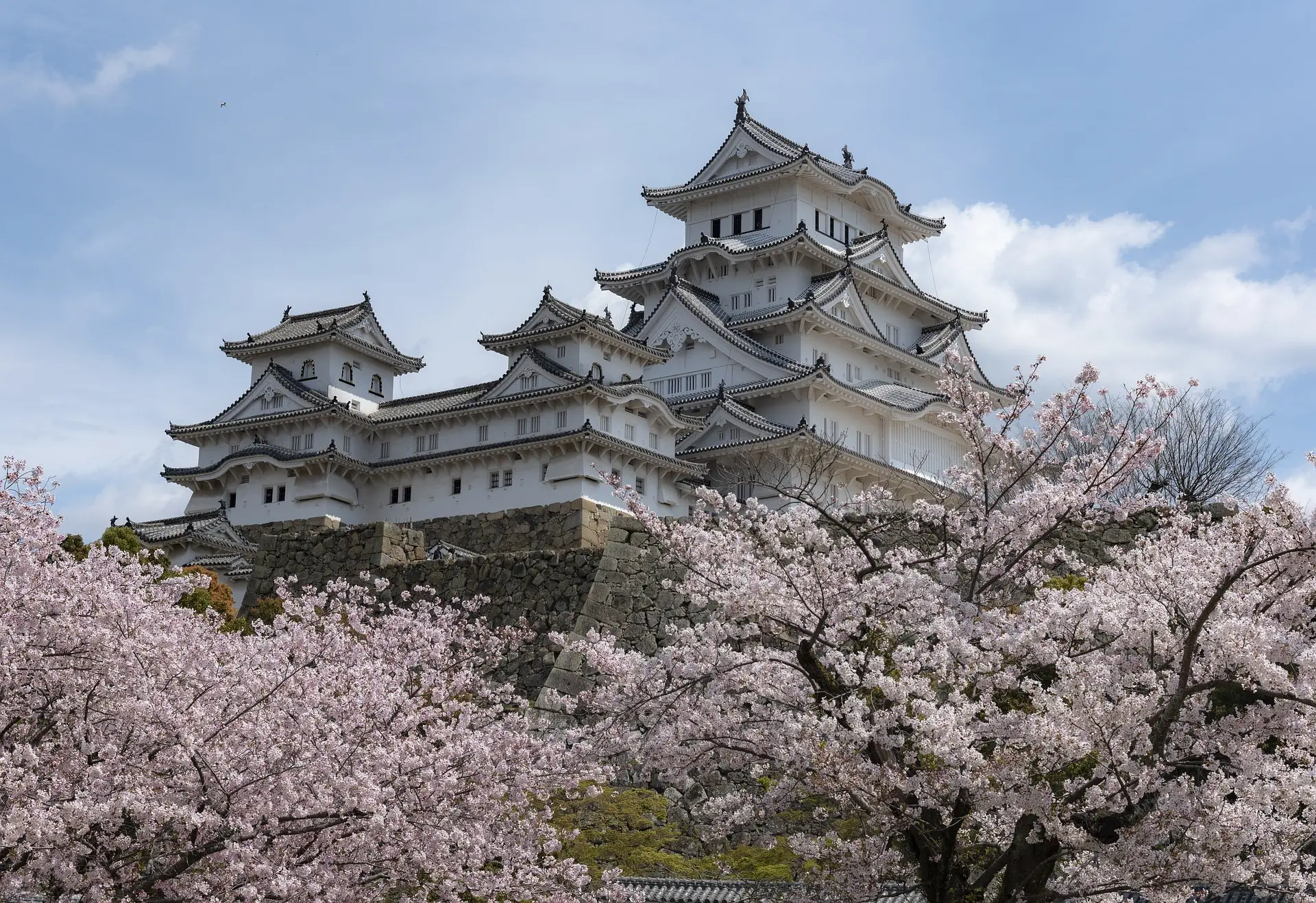

Photo by: Nick115
Japan, a mesmerizing blend of ancient traditions and cutting-edge modernity, beckons travelers with its unique charm and rich cultural tapestry. From the bustling streets of Tokyo to the serene temples of Kyoto, each destination offers a distinct experience that captivates the senses. For those seeking adventure, stunning landscapes await in the majestic mountains of Hokkaido and the tranquil beaches of Okinawa. Discover the vibrant culinary scene of Osaka or immerse yourself in the historic beauty of Nara’s sacred deer park. Whether you’re a thrill-seeker or a culture enthusiast, Japan offers something for everyone. In this article, we’ll unveil the 10 must-visit destinations that promise to elevate your travel adventure. Get ready to embark on a journey that will ignite your wanderlust and leave you with unforgettable memories. Let’s dive into the heart of Japan and explore what makes this nation a traveler’s paradise.
Tokyo: The Bustling Capital City
Tokyo, the capital city of Japan, is a dazzling metropolis that combines the ultramodern with the traditional. Whether it’s the neon-lit skyscrapers of Shibuya or the serene gardens of the Imperial Palace, Tokyo offers a unique blend of experiences that cater to every type of traveler. Start your journey at the iconic Shibuya Crossing, one of the world’s busiest intersections, where you can witness the organized chaos that embodies Tokyo’s vibrant energy. Then, take a stroll through the historical Asakusa district, home to the ancient Senso-ji Temple, which dates back to the 7th century. This juxtaposition of old and new is what makes Tokyo a fascinating destination.
For a taste of contemporary culture, visit the trendy neighborhoods of Harajuku and Shinjuku. Harajuku is known for its quirky fashion scene, with Takeshita Street offering a plethora of shops that sell everything from colorful accessories to unique clothing. In contrast, Shinjuku is a bustling business district that comes alive at night with its myriad of bars, clubs, and entertainment venues. Don’t miss the observation decks at the Tokyo Metropolitan Government Building, where you can enjoy panoramic views of the cityscape, including the distant silhouette of Mount Fuji on a clear day.
Food enthusiasts will find Tokyo to be a gastronomic paradise. The city boasts more Michelin-starred restaurants than any other in the world. From sushi at the renowned Tsukiji Fish Market to ramen in the quaint alleys of Golden Gai, there’s something to satisfy every palate. For a truly unforgettable experience, indulge in a traditional kaiseki meal, which showcases the art of Japanese haute cuisine. Each dish is meticulously prepared and presented, reflecting the season’s freshest ingredients and the chef’s culinary craftsmanship.
Kyoto: The Heart of Traditional Japan
Kyoto, often referred to as the cultural heart of Japan, is a city where time seems to stand still. Famous for its well-preserved temples, shrines, and gardens, Kyoto offers a glimpse into Japan’s rich history and spiritual heritage. Begin your exploration at the Fushimi Inari Shrine, renowned for its thousands of vermilion torii gates that create a mesmerizing pathway up the sacred Mount Inari. Each gate is donated by individuals or businesses, symbolizing their wishes and gratitude to the deity Inari.
Another must-visit landmark is the Kinkaku-ji, or the Golden Pavilion, which is a Zen Buddhist temple covered in gold leaf. The temple’s reflection on the surrounding pond creates a picture-perfect scene that is particularly stunning during the autumn foliage and winter snowfall. Equally enchanting is the Ginkaku-ji, or the Silver Pavilion, which, despite its name, is not adorned with silver but is known for its beautiful garden and the philosophy of wabi-sabi, which emphasizes the beauty of imperfection and impermanence.
No visit to Kyoto would be complete without experiencing a traditional tea ceremony, an integral part of Japanese culture. Head to the historic district of Gion, where you can find teahouses offering authentic tea ceremonies conducted by skilled tea masters. Gion is also famous for its geisha culture. If you’re lucky, you might catch a glimpse of a geiko or maiko (apprentice geisha) gracefully making their way to an evening engagement. The serene ambiance and timeless beauty of Kyoto make it a destination that leaves a lasting impression on all who visit.
Osaka: A Culinary Paradise
Osaka, Japan’s third-largest city, is often hailed as the nation’s kitchen, renowned for its vibrant food scene and friendly locals. The city’s culinary reputation is well-deserved, with an array of street food, Michelin-starred restaurants, and everything in between. Dotonbori, Osaka’s most famous entertainment district, is the best place to start your gastronomic adventure. The neon-lit streets are lined with food stalls and restaurants offering local delicacies such as takoyaki (octopus balls), okonomiyaki (savory pancakes), and kushikatsu (deep-fried skewers). Each bite reveals the flavors and ingenuity that define Osaka’s culinary identity.
Beyond its food, Osaka is known for its lively atmosphere and entertainment options. Universal Studios Japan is a must-visit for thrill-seekers and families alike, featuring a range of attractions inspired by popular movies and characters. The Wizarding World of Harry Potter is particularly popular, offering an immersive experience that transports visitors into the magical world of Hogwarts. For a more traditional experience, visit the Osaka Castle, a historic landmark surrounded by beautiful parks and gardens. The castle’s museum provides insights into Osaka’s rich history and the legacy of its samurai past.
Shoppers will find plenty to explore in Osaka, with districts like Shinsaibashi and Namba offering a mix of high-end boutiques, quirky shops, and bustling markets. The Kuromon Ichiba Market, known as Osaka’s kitchen, is a food lover’s paradise, where you can sample fresh seafood, fruits, and local specialties. For a unique shopping experience, head to the quirky Amerikamura, also known as America Village, which is a hub for youth culture and eclectic fashion. With its dynamic blend of culinary delights, historical sites, and modern attractions, Osaka promises an unforgettable adventure for all who visit.
Hiroshima: A City of Peace and Resilience
Hiroshima, a city that experienced one of history’s most tragic events, has transformed into a symbol of peace and resilience. The Hiroshima Peace Memorial Park is a poignant reminder of the atomic bombing that occurred on August 6, 1945. The park is home to the Peace Memorial Museum, which provides a comprehensive account of the bombing and its aftermath. The Atomic Bomb Dome, a UNESCO World Heritage Site, stands as a stark reminder of the devastation while serving as a powerful symbol of hope and the enduring human spirit.
Adjacent to the park is the Children’s Peace Monument, inspired by the story of Sadako Sasaki, a young girl who developed leukemia from the atomic bomb radiation. Sadako’s determination to fold a thousand paper cranes, based on a Japanese legend that promises a wish granted to those who do so, has become a global symbol of peace and the innocent victims of war. Visitors to the monument often leave their own paper cranes as a gesture of solidarity and a commitment to peace.
Beyond its historical significance, Hiroshima is a vibrant city with much to offer. The Hiroshima Castle, also known as Carp Castle, is a beautiful reconstruction of the original structure that was destroyed in the bombing. The castle grounds feature a picturesque moat, gardens, and a museum showcasing samurai artifacts and the history of the region. For nature lovers, a visit to Miyajima Island is a must. Located a short ferry ride from Hiroshima, the island is famous for the Itsukushima Shrine, with its iconic torii gate that appears to float on water during high tide. The island’s serene beauty and friendly deer that roam freely add to its charm, making it a perfect day trip destination.
Hokkaido: Nature's Wonderland
Hokkaido, Japan’s northernmost island, is a haven for nature enthusiasts and adventure seekers. Known for its stunning landscapes, diverse wildlife, and outdoor activities, Hokkaido offers a refreshing escape from the hustle and bustle of city life. The island is especially popular during the winter months, when it transforms into a snowy paradise. The Sapporo Snow Festival, held annually in February, attracts visitors from around the world with its impressive ice sculptures, snow slides, and winter sports.
In the warmer months, Hokkaido’s national parks come to life with lush greenery and colorful blooms. The Shiretoko Peninsula, a UNESCO World Heritage Site, is renowned for its pristine wilderness and diverse ecosystems. The area is home to brown bears, eagles, and various marine life, making it a paradise for wildlife enthusiasts. Hiking trails and boat tours offer opportunities to explore the rugged coastline, waterfalls, and hot springs that dot the landscape. Another must-visit destination is the Furano and Biei region, famous for its picturesque flower fields, particularly the vibrant lavender fields that bloom in summer.
Hokkaido is also known for its culinary delights, particularly its fresh seafood and dairy products. The island’s coastal waters are rich in marine life, making it a prime location for fishing. Seafood lovers can savor the freshest sashimi, crab, and sea urchin at local markets and restaurants. Don’t miss the chance to try Hokkaido’s famous dairy products, including creamy soft-serve ice cream and rich cheeses. The island’s unique culinary offerings, combined with its natural beauty and outdoor adventures, make Hokkaido a destination that caters to all senses.
Okinawa: The Tropical Escape
Okinawa, an archipelago located in the southernmost part of Japan, offers a tropical paradise like no other. With its crystal-clear waters, white sandy beaches, and vibrant coral reefs, Okinawa is a dream destination for beach lovers and water sports enthusiasts. The island’s subtropical climate ensures warm weather year-round, making it an ideal getaway for those seeking sun, sea, and relaxation. The main island of Okinawa is home to several stunning beaches, including Emerald Beach, known for its emerald-green waters, and Manza Beach, a popular spot for snorkeling and diving.
Apart from its natural beauty, Okinawa boasts a rich cultural heritage that sets it apart from the rest of Japan. The Ryukyu Kingdom, which ruled the islands before they became part of Japan, has left a lasting legacy in the form of unique traditions, music, and cuisine. The Shurijo Castle, a UNESCO World Heritage Site, is a testament to the island’s historical significance and offers insights into the Ryukyu culture. The castle’s vibrant red architecture and intricate designs are a stark contrast to the traditional Japanese aesthetic, reflecting Okinawa’s distinct identity.
Okinawan cuisine is another highlight of the island experience. Influenced by Chinese, Southeast Asian, and American flavors, the local food is both unique and delicious. Must-try dishes include goya champuru (a stir-fry with bitter melon, tofu, and pork), Okinawa soba (a noodle dish with a savory broth), and sata andagi (deep-fried doughnuts). The island is also known for its awamori, a traditional distilled spirit made from rice. A visit to Okinawa is not complete without indulging in its culinary delights and experiencing the warm hospitality of its people.
Nara: Home to Ancient Temples and Wildlife
Nara, once the capital of Japan, is a city steeped in history and culture. Known for its ancient temples, shrines, and the friendly deer that roam freely in Nara Park, the city offers a serene and enriching experience for visitors. The Todai-ji Temple, a UNESCO World Heritage Site, is one of Nara’s most iconic landmarks. The temple houses the Great Buddha, a colossal bronze statue that stands at 15 meters tall. The sheer size and craftsmanship of the statue are awe-inspiring, making it a must-visit for anyone traveling to Nara.
Another significant site is the Kasuga Taisha Shrine, renowned for its hundreds of bronze and stone lanterns that line the pathways and the shrine grounds. The lanterns are lit twice a year during the Lantern Festivals, creating a magical and ethereal atmosphere. The shrine is also surrounded by a primeval forest, which is considered sacred and has been preserved for centuries. This connection to nature is a recurring theme in Nara, where spiritual and natural elements coexist harmoniously.
One of the most charming aspects of Nara is the presence of deer, which are considered sacred messengers of the gods in Shintoism. Nara Park is home to over a thousand deer that freely interact with visitors. You can purchase special deer crackers to feed them, and many of the deer have learned to bow in exchange for a treat. This unique interaction between humans and wildlife adds to Nara’s appeal and provides a memorable experience for people of all ages. The city’s blend of historical significance, natural beauty, and friendly wildlife makes it a destination that captivates the heart and soul.
Mount Fuji: Japan's Iconic Landmark
Mount Fuji, Japan’s highest and most iconic mountain, is a symbol of national pride and natural beauty. Standing at 3,776 meters, Mount Fuji is an active stratovolcano that has inspired countless works of art, literature, and poetry. The mountain’s symmetrical cone shape and snow-capped peak create a stunning silhouette that is recognizable worldwide. For many, climbing Mount Fuji is a bucket-list experience that offers a sense of accomplishment and awe-inspiring views from the summit.
The official climbing season for Mount Fuji typically runs from early July to early September, when the weather is most favorable and the mountain huts are open. There are four main trails leading to the summit, with the Yoshida Trail being the most popular. The ascent can be challenging, but it is accessible to most people with a reasonable level of fitness. Climbing overnight to reach the summit in time for the sunrise, known as goraiko, is a popular practice that allows climbers to witness the breathtaking sight of the sun rising above the horizon.
For those who prefer to admire Mount Fuji from a distance, there are several vantage points that offer spectacular views. The Fuji Five Lakes region, located at the northern base of the mountain, is a popular destination for sightseeing and outdoor activities. Each of the five lakes—Kawaguchi, Motosu, Sai, Shoji, and Yamanaka—provides unique perspectives of Mount Fuji, often with the mountain’s reflection visible in the calm waters. The Chureito Pagoda, part of the Arakura Sengen Shrine, is another famous spot for capturing iconic photographs of Mount Fuji framed by cherry blossoms in spring or vibrant autumn foliage. Whether you choose to climb or simply admire its grandeur, Mount Fuji remains an enduring symbol of Japan’s natural beauty.
Conclusion: Planning Your Ultimate Japanese Adventure
Japan is a country that offers an unparalleled blend of ancient tradition and modern innovation, making it a dream destination for travelers of all interests. From the bustling metropolis of Tokyo to the serene temples of Kyoto, each destination provides a unique experience that enriches and captivates. Whether you’re savoring street food in Osaka, reflecting on history in Hiroshima, or exploring the natural wonders of Hokkaido and Okinawa, every moment in Japan promises to be memorable.
When planning your Japanese adventure, consider the diverse experiences each destination offers and tailor your itinerary to your interests. The efficient and extensive public transportation system makes it easy to travel between cities and explore the various regions. Japan’s hospitality, known as omotenashi, ensures that visitors feel welcomed and cared for, enhancing the overall travel experience. With its rich cultural heritage, stunning landscapes, and vibrant cities, Japan is a destination that promises to leave a lasting impression and beckons you to return for more.
As you embark on your journey, immerse yourself in the local customs, savor the culinary delights, and take the time to appreciate the natural beauty and historical significance of each destination. Japan’s unique charm lies in its ability to offer diverse experiences that cater to all interests, providing a travel adventure that is both enriching and unforgettable. So pack your bags, prepare your itinerary, and get ready to discover the wonders of Japan—a land where tradition and modernity coexist in perfect harmony, creating a travel experience like no other.