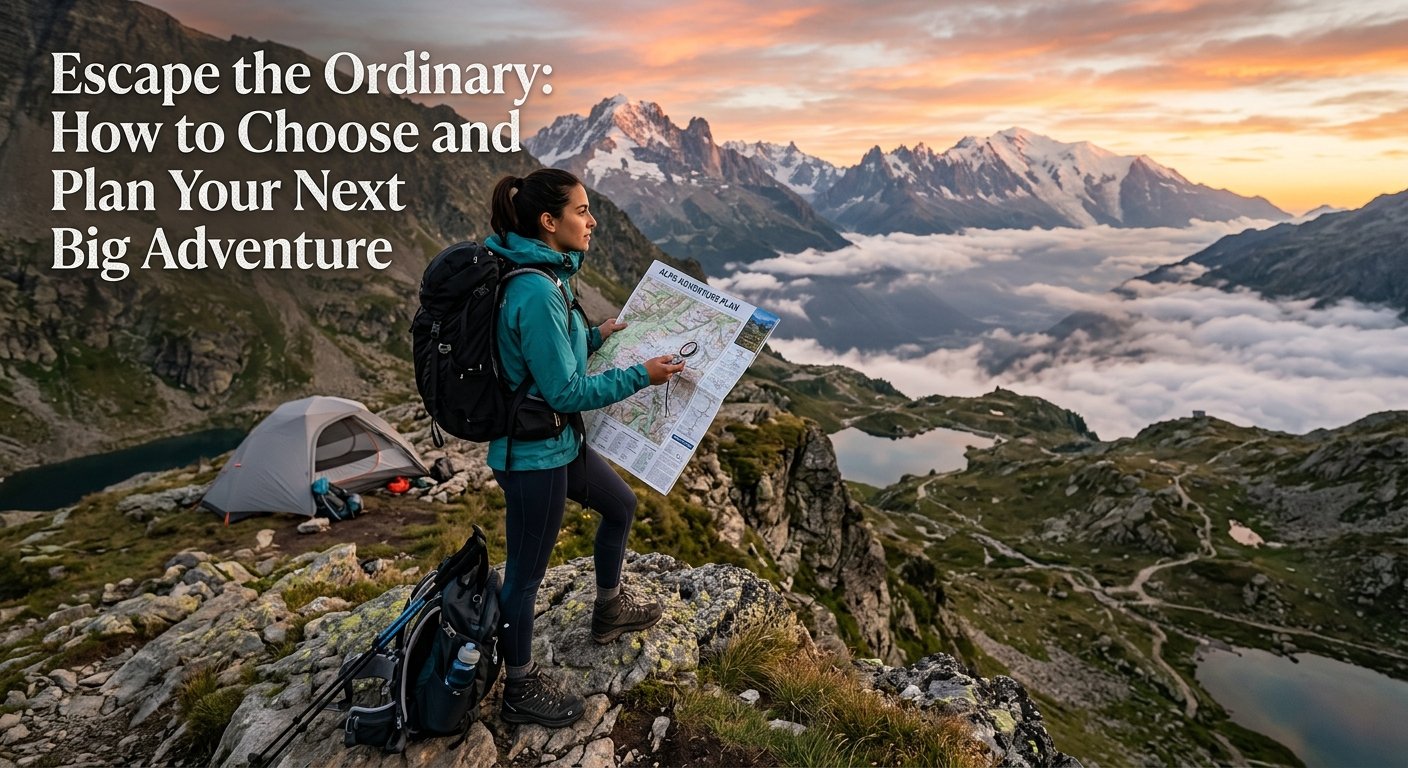

Are you feeling trapped in a monotonous cycle of work, sleep, and screen time? If you are feeling stuck in a tedious daily routine, finding Your Next Big Adventure is the ultimate way to reignite your passion for life.
Experiencing new cultures and challenging your physical limits can instantly restore your sense of wonder. Consequently, mapping out Your Next Big Adventure requires a strategic balance of self-reflection, budgeting, and bold decision-making.
In this comprehensive guide, we will break down exactly how to identify your travel style, choose a world-class destination, and plan a seamless journey. Let us dive into the ultimate planning blueprint.
Key Takeaways
- Align with Your Values: Choose experiences that match your physical capabilities and personal growth goals.
- Plan Early: Secure permits and bookings at least six months in advance for high-demand destinations.
- Budget Wisely: Build a dedicated emergency fund to handle unexpected travel situations comfortably.
- Embrace Flexibility: Allow room in your itinerary for spontaneous detours and local recommendations.
The Psychology of Exploration: Why We Need Epic Journeys
Why do we feel this persistent itch to explore the unknown? Human beings are naturally wired for discovery, novelty, and physical challenge.
Specifically, stepping out of your comfort zone helps you build resilience while planning Your Next Big Adventure. Overcoming unfamiliar obstacles abroad translates directly into increased confidence back home.
Furthermore, routine can dull our cognitive faculties over time. However, traveling to unfamiliar places forces your brain to build new neural pathways. As a result, you return home with a refreshed perspective and sharper problem-solving skills.
Top 5 Real-World Destinations for Ultimate Exploration
Choosing the perfect destination is the most thrilling part of designing Your Next Big Adventure. Below, we compare five iconic, real-world travel experiences that cater to different styles of exploration.
1. The Inca Trail to Machu Picchu, Peru
This ancient trail winds through breathtaking Andean cloud forests and dramatic mountain passes. Specifically, you will walk the very stone paths laid by the Incas centuries ago.
As a result, this trek is a top contender for Your Next Big Adventure if you love history and physical challenges. Reaching the Sun Gate at sunrise offers an unforgettable reward.
- Key Features: High-altitude trekking, ancient archaeological sites, and diverse ecosystems.
- Pros: Incredible historical ruins, stunning mountain vistas, and highly experienced local guides.
- Cons: High risk of altitude sickness, and permits must be booked up to six months in advance.
- Estimated Cost: $700 – $1,500 USD (excluding international flights).
2. Island Hopping in the Galápagos Islands, Ecuador
If you are fascinated by wildlife, this volcanic archipelago offers an unparalleled, close-up look at unique species. You can snorkel alongside playful sea lions and observe giant tortoises in their natural habitat.
Consequently, this journey provides a profound appreciation for evolutionary biology and conservation. It is an ideal mix of education, relaxation, and active exploration.
- Key Features: Volcanic landscapes, endemic wildlife encounters, and marine reserve snorkeling.
- Pros: Unmatched biodiversity, strict conservation laws preserving nature, and diverse marine life.
- Cons: Highly expensive national park fees, and limited independent travel options.
- Estimated Cost: $2,500 – $6,000 USD.
3. Road Tripping the Ring Road, Iceland
Iceland’s Route 1 circles the entire island, offering access to thundering waterfalls, active volcanoes, and massive glaciers. Therefore, you can experience a diverse range of geological wonders in a single week-long trip.
Consequently, this road trip offers unparalleled freedom for Your Next Big Adventure. You can easily adjust your daily itinerary based on the shifting weather conditions.
- Key Features: Geothermal hot springs, black sand beaches, and dramatic volcanic craters.
- Pros: Maximum itinerary flexibility, exceptionally safe country, and surreal landscapes.
- Cons: Volatile weather conditions, and high costs for food and fuel.
- Estimated Cost: $1,800 – $3,500 USD.
4. Trekking to Everest Base Camp, Nepal
For the ultimate high-altitude challenge, nothing compares to walking among the giants of the Himalayas. You will experience rich Sherpa culture and sleep in cozy teahouses along the route.
In addition, the sense of accomplishment upon reaching base camp is truly life-altering. The dramatic mountain vistas will stay with you forever.
- Key Features: Sherpa cultural immersion, suspension bridges, and towering Himalayan peaks.
- Pros: World-class mountain scenery, affordable daily living costs, and deep cultural connections.
- Cons: Extreme physical exertion required, and unpredictable flight delays at Lukla Airport.
- Estimated Cost: $1,200 – $2,500 USD.
5. Kayaking the Fjords in Nærøyfjord, Norway
Paddle through deep, narrow waters flanked by towering cliffs and cascading waterfalls. This serene yet physically demanding journey allows you to wild camp along the shoreline.
Moreover, it offers a peaceful escape from the crowded tourist hotspots. You will feel incredibly connected to nature as you glide through the quiet waters.
- Key Features: UNESCO-listed fjord landscapes, wild camping, and sea kayaking.
- Pros: Peaceful wilderness experience, pristine natural environments, and active physical engagement.
- Cons: Frequent rainfall, and cold water temperatures requiring specialized gear.
- Estimated Cost: $1,000 – $2,200 USD.
Crucial Steps to Budgeting for Your Next Big Adventure
Financial planning is often the biggest hurdle preventing travelers from taking the leap. Therefore, saving money systematically is essential to fund Your Next Big Adventure without incurring stressful debt.
First, you should establish a dedicated travel savings account. Automate monthly transfers into this account to ensure consistent progress toward your financial goal.
In addition, cutting back on minor daily luxuries can rapidly accelerate your savings rate. For example, preparing meals at home instead of dining out can save hundreds of dollars each month.
Furthermore, tracking your expenses diligently helps you identify hidden costs early. You should always research local accommodation, food, and transport prices beforehand. As a result, you can build a realistic daily budget and avoid financial surprises abroad.
How to Prepare Mentally and Physically for the Unknown
Embarking on a massive trip requires more than just a plane ticket and a packed suitcase. Specifically, you must prepare your mind to embrace unexpected challenges and sudden changes in plans.
For example, flights get delayed, language barriers arise, and weather conditions can disrupt your itinerary. However, maintaining a flexible attitude will turn these obstacles into memorable stories.
Therefore, practicing mindfulness before you leave can help you stay calm under pressure. Remember that the unexpected moments often become the highlights of your entire journey.
Physical conditioning is also vital when preparing for Your Next Big Adventure. If you choose a trekking or kayaking trip, start training at least three months prior to departure. Consequently, your body will adapt much faster, allowing you to enjoy the experience thoroughly.
Embracing the Journey Ahead
Ultimately, the best time to start planning Your Next Big Adventure is right now. Stop waiting for the perfect moment, as life will always present distractions and responsibilities.
By choosing a destination that excites you and taking the first step today, you pave the way for unforgettable memories. Trust the process, prepare diligently, and step boldly into the unknown.
Frequently Asked Questions
How do I choose the best destination for Your Next Big Adventure?
To choose the perfect destination, evaluate your physical fitness, budget, and personal interests. If you prefer high-altitude trekking, Nepal or Peru are excellent choices. Alternatively, if you prefer marine life and water sports, consider the Galápagos Islands or the Norwegian fjords.
What are the most common packing mistakes for remote trips?
The most common mistake is overpacking heavy, non-essential items. Therefore, focus on high-quality, lightweight, and moisture-wicking layers. Additionally, always pack a reliable power bank, a basic first-aid kit, and broken-in footwear to avoid painful blisters.
How can I travel safely in unfamiliar countries?
Always research local customs, emergency numbers, and common travel scams before you arrive. Furthermore, keep digital copies of important documents on a secure cloud drive. Finally, purchase comprehensive travel insurance to cover potential medical emergencies or trip cancellations.
What is the average cost of planning Your Next Big Adventure?
The cost varies significantly depending on the location and comfort level. Typically, a budget-friendly trekking trip in Nepal can cost around $1,200 USD. However, luxury wildlife expeditions in places like the Galápagos can easily exceed $5,000 USD per person.
Ready to Take the Leap?
Do not let your dreams remain on a bucket list. Download our comprehensive, step-by-step travel planning checklist to start designing Your Next Big Adventure today!