

Understanding Smart Travel Planning
Smart travel planning is an essential aspect of organizing a successful trip, enabling travelers to make the most of their experiences. By implementing effective strategies, travelers can not only save time and money but also enhance the overall quality of their journeys. Key components of smart travel planning include setting clear objectives, researching destinations thoroughly, and being flexible with itineraries.
One of the primary techniques in smart travel planning is to define the purpose of the trip. Whether it is for relaxation, adventure, cultural enrichment, or business, having a clear objective allows travelers to tailor their plans accordingly. Knowing what you want to achieve helps in selecting suitable destinations and activities, ensuring a more focused and fulfilling trip.
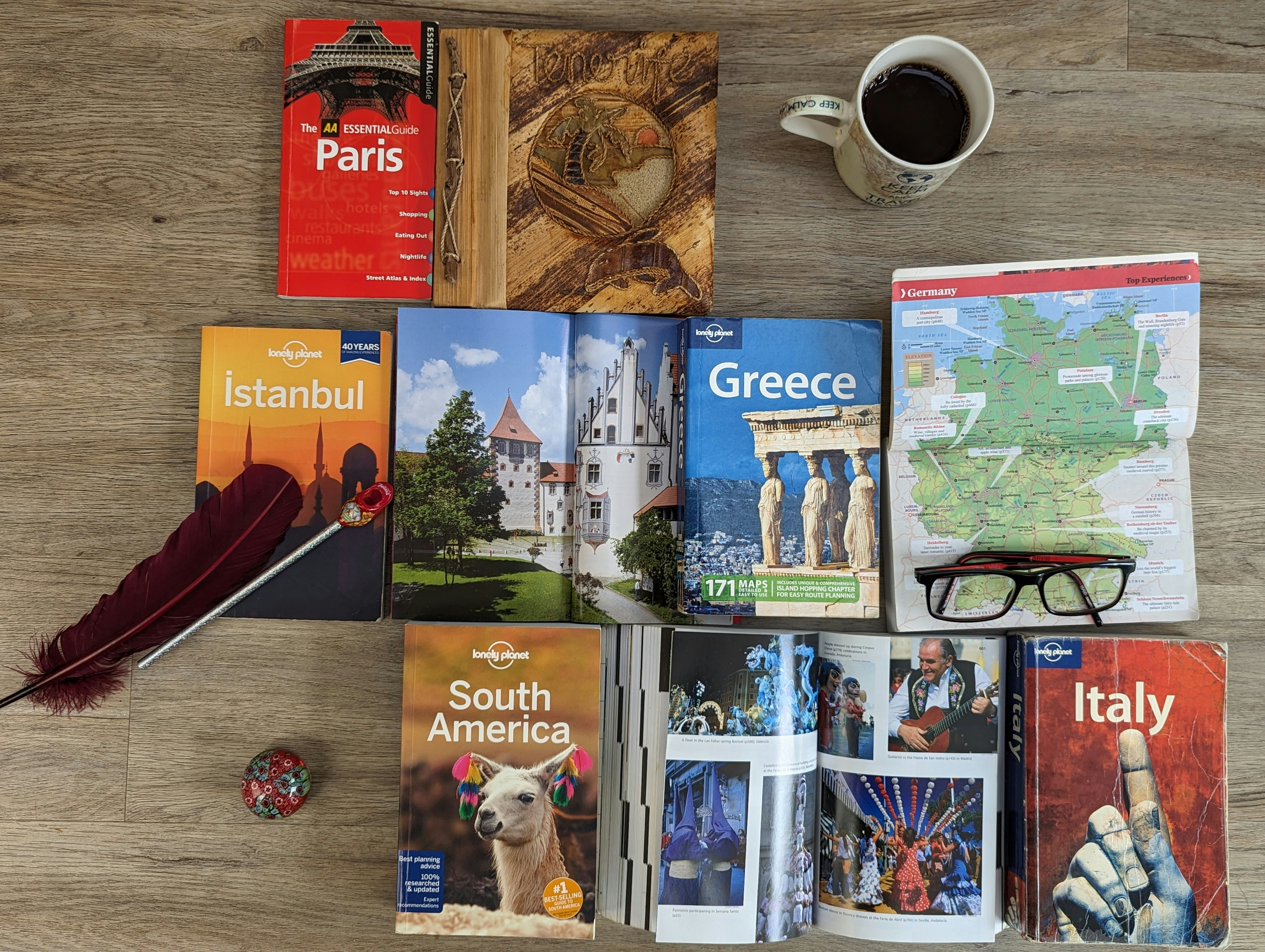
Another vital strategy is conducting comprehensive research on potential destinations. This involves understanding the local culture, climate, and key attractions, alongside identifying any travel restrictions or requirements. By gathering this information ahead of time, travelers can make informed decisions such as the best time to visit or which accommodations align with their preferences. Online resources, travel guides, and recommendations from fellow travelers serve as valuable tools in this process.
Moreover, creating an adaptable itinerary contributes to smart travel planning. While having a structured plan is beneficial, remaining flexible allows travelers to seize spontaneous opportunities and avoid potential pitfalls. For instance, unexpected weather changes may necessitate a shift in activities, or discovering a hidden gem might inspire a change of plans. Maintaining a balance between planned events and spontaneity is crucial for achieving a satisfying travel experience.
Lastly, employing technology can significantly enhance smart travel planning. Utilizing travel apps and online platforms can streamline processes such as booking flights, accommodations, and activities. With the aid of modern tools, travelers can optimize their itineraries, track expenses, and even collaborate with travel companions in real time. Overall, effective travel planning not only helps in organizing logistics but also contributes to a memorable and enjoyable travel experience.
Setting Travel Goals and Priorities
Before embarking on any travel adventure, it is crucial to establish clear travel goals that align with your personal preferences and interests. Understanding the type of experience you seek is the first step in smart travel planning. People often categorize their travel goals into several distinct areas, including relaxation, adventure, cultural immersion, and culinary experiences. By identifying what you want from your trip, you can streamline your planning process and enhance your overall travel satisfaction.
For those seeking relaxation, the focus may be on destinations known for their serene environments, such as tropical beaches or tranquil mountains. When relaxation is the priority, selecting destinations that offer luxury spas, peaceful accommodations, and opportunities for personal downtime will make your travel experience more enjoyable. It is advisable to research places renowned for their calm atmosphere and leisure activities.
Conversely, adventure seekers may look for destinations that offer thrilling activities such as hiking, kayaking, or skiing. Here, prioritizing locations with outdoor adventure opportunities becomes essential. To fulfill these goals, compiling a list of potential destinations that provide unique experiences and activities is beneficial. Ranking these options based on thrill levels and accessibility can help narrow down the choices.
Cultural immersion represents another facet of travel goals. Individuals passionate about history, art, or local traditions often prefer destinations rich in culture. Prioritizing locations known for their museums, historical landmarks, and vibrant communities is crucial here. Think about how long you want to engage with the local culture and the kinds of experiences you wish to have.
Culinary enthusiasts will want to focus on destinations celebrated for their food. This could involve seeking out cities known for their unique cuisine or restaurants that offer local delicacies. Researching culinary tours or food festivals in advance can greatly enhance the experience.
Ultimately, by thoughtfully defining your travel goals and aligning them with potential destinations, you can ensure that your travel plans are not only well-structured but also deeply satisfying according to your interests.
Researching Destinations Effectively
Effective research is an essential component of smart travel planning, as it lays the foundation for a memorable and enriching travel experience. The process begins with identifying potential destinations and then delving deeper into their unique offerings. A wealth of online resources is available, allowing travelers to gather comprehensive information about various locations.
Travel websites and blogs provide a plethora of reviews, itineraries, and travel tips, making them invaluable tools for planning. Online travel forums, such as TripAdvisor and Lonely Planet’s Thorn Tree, allow travelers to interact with others who have experienced the destination firsthand. These platforms can offer candid insights into the attractions, accommodations, and local customs, allowing one to gauge what to expect. Furthermore, travelers can connect with locals or seasoned visitors, asking specific questions that may not be addressed in typical travel guides.
Understanding the local culture of the destination is crucial for ensuring respectful interactions and a more authentic experience. Culture encompasses not only language but also traditions, etiquette, and social norms. To immerse oneself fully, researching local festivals, cuisine, and customary practices enhances the travel experience, as it stretches beyond mere sightseeing.
Additionally, awareness of the climate in the destination helps travelers prepare appropriately. Knowing the best times to visit based on weather patterns can greatly influence travel plans. Resources such as climate summary websites or seasonal travel guides can assist in identifying the best periods for various activities, such as hiking, beach outings, or cultural festivals.
Lastly, familiarizing oneself with the top attractions, landmarks, and hidden gems of a destination often entails obtaining recent guides, updated blogs, or virtual tours. Local tourism boards often provide resources such as brochures or websites that highlight must-see locations, along with tips to avoid overcrowding. This ensures that travelers can prioritize meaningful experiences over merely ticking items off a list.
By utilizing a combination of online research, local insights, and cultural awareness, travelers can strategize their trips effectively, cultivating unique journeys that resonate with personal interests and aspirations.
Budgeting for Travel: Tips and Tricks
Creating a travel budget is essential for ensuring a smooth and enjoyable trip without financial stress. To start, it is crucial to assess your total available funds and determine your overall travel priorities. This initial analysis will help you decide how much you can allocate to various aspects of your journey.
When planning your travel budget, dividing your expenses into categories such as accommodation, transportation, food, and activities is beneficial. This method allows for a clearer view of where your money is going and how it can be adjusted. For accommodations, consider options that fit your budget, such as hostels, hotels, or even vacation rentals. After researching potential lodging prices, set aside around 30% of your total budget for this category, but be flexible depending on your preferred level of comfort.
Transportation costs can vary significantly depending on your destination and chosen mode of travel. Allocate funds for flights, train tickets, or car rentals appropriately. A recommended practice is to reserve approximately 20-25% of your travel budget for transportation. To save on costs, consider booking flights in advance and using public transportation at your destination instead of expensive taxis.
Food expenses can quickly accumulate during a trip, so it is wise to budget around 25-30% for meals. To stretch your food budget, explore local markets, street vendors, or low-cost eateries, offering an authentic experience without breaking the bank. Preparing some meals yourself, using accommodation facilities, can also lead to significant savings.
Finally, setting aside 15-20% of your budget for activities ensures that you can fully enjoy the experiences your destination offers. Research free or inexpensive attractions and events and consider travel packages or city deals that could provide discounted rates for multiple activities. Always keep a close track of your spending while on the road to make necessary adjustments to stay within your budget.
By thoughtfully allocating your funds and finding practical ways to save, you can create a sustainable travel budget that enhances your adventures and keeps your finances in check.
Creating a Flexible Itinerary
Having a flexible travel itinerary is crucial for enhancing the overall travel experience. It allows travelers to adapt to unforeseen circumstances and seize spontaneous opportunities that might arise during their journey. By embracing a more fluid approach to travel planning, individuals can discover hidden gems, connect with locals, and immerse themselves in diverse cultures.
One of the primary benefits of a flexible itinerary is the ability to adjust plans based on current conditions or emotional whims. For instance, if travelers discover a local festival or an interesting event while visiting a city, a flexible schedule permits them to change their plans and attend. This spontaneity can lead to memorable experiences that rigid itineraries often miss. Moreover, it reduces the stress associated with adhering strictly to a set agenda, allowing travelers to enjoy their surroundings without the pressure of the clock.
To effectively balance planned activities with spontaneous adventures, travelers should create a preliminary itinerary outlining must-see attractions and activities while leaving ample open space for exploration. This structure enables tourists to prioritize important sites while also allowing for unplanned detours. For example, setting aside a day or part of a day for leisurely exploration can lead to unexpected discoveries, such as quaint cafes or art installations.
Managing time efficiently while traveling is another critical aspect of maintaining a flexible itinerary. Travelers can enhance their experience by allocating time slots for specific activities, while also ensuring that they remain open to adjusting these slots when something intriguing presents itself. Keeping this balance helps in maximizing enjoyment without the constraints of a rigid schedule. Using location-based apps can also streamline travel plans, providing real-time updates on nearby attractions and events that might align with one’s interests.
Packing Smart: Essentials and Strategies
Packing efficiently is a crucial aspect of travel planning that can significantly enhance the overall experience. By considering factors such as destination, duration of travel, and planned activities, travelers can identify essential items and pack wisely. The first step in packing smart is to create a comprehensive packing list tailored to the specific trip.
When planning for a destination, one must take into account the climate and weather patterns. For example, if traveling to a warm beach location, it is essential to pack lightweight clothing, swimwear, and sun protection items. Conversely, for a trip to a colder region, thermal layers, jackets, and winter accessories are necessary. Understanding the local culture can also guide clothing choices, ensuring that attire aligns with societal norms and expectations.
The duration of travel plays a pivotal role in determining what to pack. Short trips may allow for minimalist packing, focusing on versatile clothing items that can be mixed and matched. A longer stay, however, necessitates additional clothes and personal items—such as toiletries and medications—to cater to daily needs. Utilizing packing cubes can assist in organizing belongings efficiently and making the most of limited space.
Furthermore, it is vital to consider the types of activities planned during the trip. For example, a hiking adventure requires specific gear, including sturdy footwear and appropriate clothing, whereas a city excursion may require more formal wear. Travel accessories, such as reusable water bottles, chargers, and travel-sized hygiene products, should also find their place in the suitcase, catering to both convenience and sustainability.
Ultimately, packing smartly not only reduces stress but also enhances the travel experience, ensuring that travelers are well-prepared for the adventures that await them. Making informed choices about what to bring can lead to a more enjoyable and streamlined journey.
Staying Safe While Traveling
When embarking on a journey, prioritizing safety is essential to ensure a fulfilling and enjoyable travel experience. One of the foundational aspects of safe travel is conducting thorough research about the destination. Understanding local laws and customs not only fosters respect for the host culture but also aids in avoiding any inadvertent infractions that could lead to legal complications. Each country has its regulations, and being aware of them is crucial for your safety.
Health precautions are another critical component of travel safety. Prior to departure, it is advisable to consult with healthcare professionals regarding necessary vaccinations and health advisories specific to the location. Many regions may have particular health risks, such as endemic diseases, and being prepared with appropriate vaccinations can safeguard your health during your travels. Additionally, staying informed about access to medical facilities at your destination can be invaluable in case of emergencies.
Maintaining communication with friends and family while traveling serves a dual purpose: it keeps your loved ones informed of your whereabouts and helps ensure your security. Utilizing modern technology, such as smartphones or satellite devices, allows for real-time updates. It is advisable to share your itinerary with someone at home and schedule regular check-ins, which can be especially important if traveling to remote locations. This simple act can greatly enhance your safety and provide peace of mind.
In the realm of travel safety, securing travel insurance is imperative. Such insurance provides a safety net for unforeseen circumstances, covering everything from lost luggage and trip cancellations to medical emergencies. Understanding the specific benefits and limitations of your policy can enhance your confidence while traveling, knowing that you are financially protected against unexpected events. In essence, invest time in preparing for your travels—understanding local laws, health recommendations, communication strategies, and insurance options allows you to focus on enjoying your journey with tranquility.
Embracing Local Cultures and Customs
One of the most enriching aspects of travel is the opportunity to immerse oneself in the local culture of the destinations visited. Understanding and respecting local customs can significantly enhance your travel experience. Each culture has its unique practices and traditions that are often deeply rooted in history, and by taking the time to learn about these elements, travelers can foster connections that go beyond superficial interactions.
When visiting a new location, it is beneficial to familiarize yourself with the customs that are prevalent in that area. This might include learning a few basic phrases in the local language, understanding traditional greetings, and being aware of social etiquette. For instance, in some cultures, physical gestures such as a handshake or bow can convey respect, while in others, they might have specific meanings that differ from what you might expect. By engaging in these behaviors, travelers can show their willingness to respect and appreciate the local way of life.
Another vital component of embracing local cultures is the culinary experience. Each destination has its signature dishes that reflect its geographical and historical influences. Trying local cuisine can provide insight into the cultural identity of a place. From street food to high-end dining, food is often intertwined with the rituals and customs of a community. Engaging with local chefs or attending cooking classes can further enrich this experience, allowing for a more hands-on approach to understanding the local flavors and cooking techniques.
Moreover, being aware of and respecting social norms is crucial when traveling. Every culture has its own set of unwritten rules, such as appropriate dress codes, communication styles, and gestures. Observing and adhering to these norms can help avoid misunderstandings and foster goodwill among locals. Ultimately, embracing the local culture while traveling creates a more fulfilling and memorable experience, allowing travelers to leave with a deeper appreciation for the places they visit.
Reflecting on Your Travel Experience
Returning from a journey often brings a mixed bag of emotions, varying from joy to nostalgia. Reflecting on travel experiences is not only essential for personal growth but also helps in savoring the memories created. It allows travelers to process their adventures and gain insights that can inform future trips. Doing so can also enhance the appreciation of the places visited and the cultures experienced.
Documenting these experiences plays a vital role in the reflection process. One effective method is journaling. Keeping a travel journal, where one can write about daily activities, emotions, and interactions, is a powerful way to capture the essence of the journey. Writing not only helps to clear the mind but also solidifies memories that may otherwise fade over time. Moreover, journals can include sketches or quotes from locals that add depth to the travel narrative.
Another practical method is creating photo albums. Photographs serve as visual reminders of the landscapes, people, and experiences encountered during the trip. Arranging these photos into themed albums or creating digital slideshows can turn memories into cherished keepsakes. Sharing these albums with friends, family, or on social media can also invite conversations and encourage others to explore new destinations.
Additionally, storytelling is a compelling way to reflect on travel experiences. Sharing tales with loved ones not only keeps the memories alive but also fosters connections between individuals. These stories can serve educational purposes, offering insight into different cultures and encouraging discussions about travel. It can be as simple as a casual encounter or a detailed recount of an adventure.
By engaging in these methods of documentation, travelers can enrich their reflections and maintain a vibrant connection to their adventures. The act of preserving these moments enhances the travel experience and can inspire future explorations.